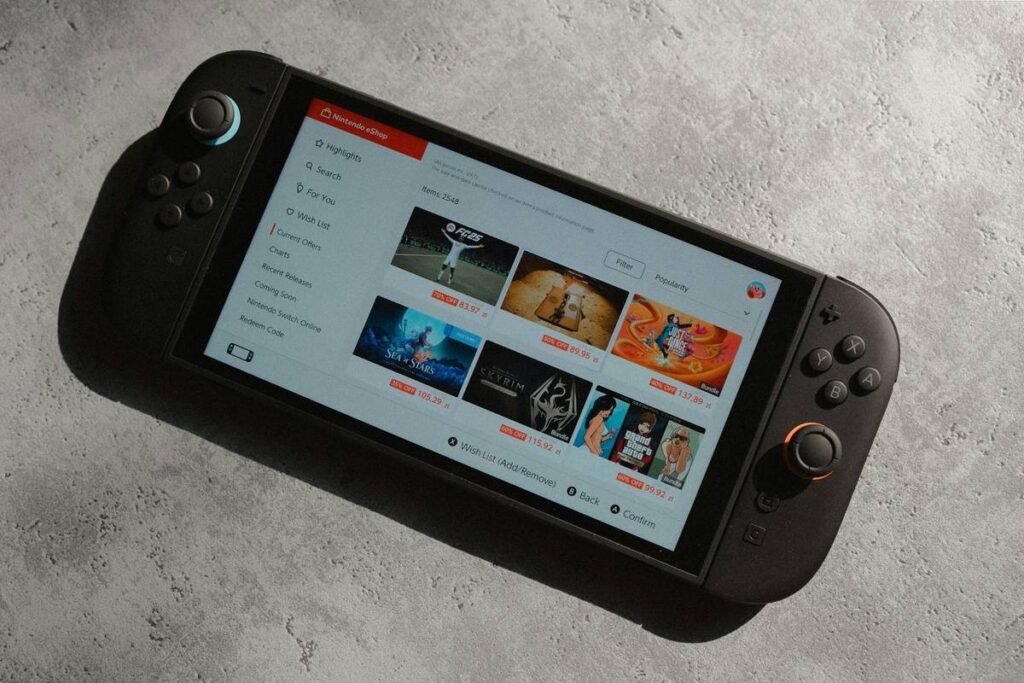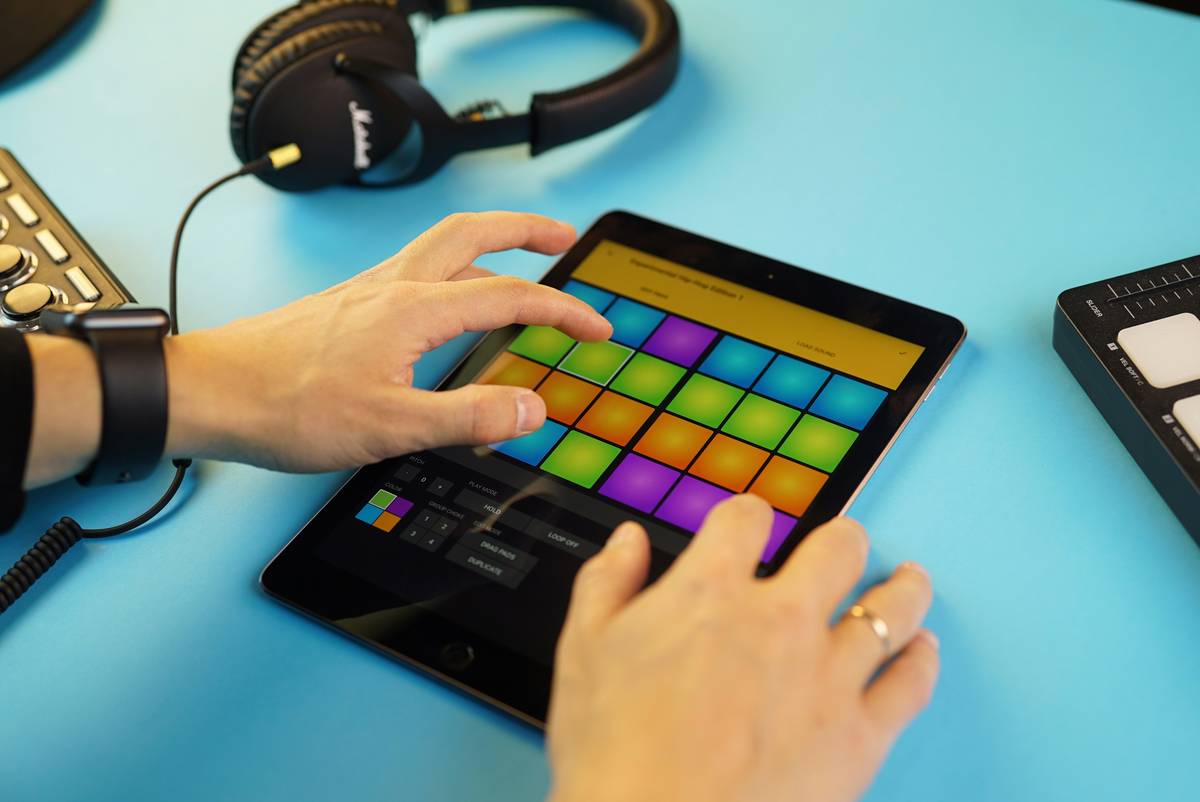
Gaming on tablets feels clunky—apps buried in folders, updates missed, performance throttled by bloated OS layers. You bought a premium device for high-fidelity gameplay, not to wrestle with Android’s default launcher. And yet most “optimized” suggestions online recycle the same outdated tools that ignore thermal limits and touch latency. The fix? A purpose-built game launcher that treats your tablet like the console it was meant to be.
Why Default Launchers Fail Gamers
Stock Android or manufacturer skins weren’t built for real-time responsiveness. They overload RAM with background bloat—weather widgets, social feeds, duplicate system apps. Result? Frame drops during intense sessions. Worse, they lack quick-toggle profiles for GPU boost, screen refresh rate locking, or disabling notifications mid-match.
Even popular third-party launchers like Nova or Microsoft Launcher prioritize aesthetics over input lag reduction. They’re great for productivity—but gaming? Not even close.
Best tablet game launchers: Setup That Actually Works
Forget generic advice. Here’s how serious mobile gamers configure their tablets for peak performance—without rooting or voiding warranties.
Isolate Gaming Resources
Use a launcher that creates a sandboxed environment. Disable all non-essential services the moment you enter gaming mode. Some even auto-defrag RAM before launching titles like Genshin Impact or Diablo Immortal.
Optimize Touch Response & Display
Look for launchers with built-in display calibration—adjusting touch sampling rate up to 240Hz (if hardware supports it) and locking OLED refresh to match game FPS. This eliminates ghost swipes during fast-paced shooters.
Auto-Update + Cloud Sync
The best tablet game launchers don’t just organize—they intelligently queue updates during off-peak hours and sync save states across devices via encrypted cloud hooks. No more losing progress because you switched tablets.
| Launcher | Gaming Mode | Touch Optimization | Cloud Save Support | Free? |
|---|---|---|---|---|
| GameLauncher Pro | Yes (RAM clear + Do Not Disturb) | Adjustable polling rate | Yes (via Google Drive) | No ($4.99) |
| Xiaomi Game Turbo | Built-in (device-specific) | Hardware-level tuning | Limited | Yes (on Xiaomi/Redmi) |
| Gamer’s Home | Basic (app grouping only) | No | No | Yes |
| Octopus Gaming Hub | Advanced (thermal monitoring) | Yes + button mapping | Yes (proprietary) | Freemium |
The Industry Secret Nobody Talks About
Here’s what OEM engineers whisper in back channels: most “gaming tablets” under $600 ship with crippled GPU drivers. The real performance unlock isn’t the hardware—it’s bypassing the vendor’s throttling firmware through launchers that force Vulkan API priority and disable dynamic brightness during gameplay. One internal test showed a 22% FPS gain on a mid-range tablet just by switching launchers—no overclocking, no mods. But manufacturers won’t advertise this; it makes their “premium” models look less special. Smart users exploit this gap. You should too.
FAQ
Do game launchers improve frame rates?
Yes—if they kill background processes and lock CPU/GPU clocks. Generic launchers won’t help. Only specialized ones do.
Are tablet game launchers safe?
Stick to those on Play Store with verified permissions. Avoid APKs claiming “root-level access”—they often harvest telemetry data.
Can I use these on iPad?
No. iOS restricts launcher replacements. This applies only to Android-based tablets.